Sanctuary As A Movement, Not A Monument
March 25-27, 2026
What if sanctuary is not a destination, but a discipline?
For Advocacy Days 2026, we are intentionally reframing what sanctuary means. Rather than imagining it as a static building, a monument fixed in place, we instead explore sanctuary as a dynamic, relational, and vital practice. In other words, sanctuary is not merely where we gather, but how we live.
At the heart of this reframing is a vision of Incarnational Presence. That is, a theology that insists the sacred is not confined to stable institutions or protected spaces. Instead and perhaps especially it is discovered where human dignity is contested and justice is most urgently needed.
Thus, sanctuary becomes not retreat, but movement. Not insulation, but engagement. Not preservation, but embodied witness.
Explore a Mobile Theology
Examine how the sacred is inherently dynamic, unsettled, and boundary-crossing, challenging our assumptions about where God is present.
Engaging Vocation
Assess how the Church has offered both safety and separation, asking: What is our role in dismantling unjust systems and offering sanctuary to the world today?
Translate to Action
Equip participants to move beyond simple aid toward meaningful partnership and practical advocacy.
Faculty Panel: Fixed Walls, Fluid Witness
In a world marked by displacement and crisis, the Church often feels caught between the safety of its own walls and the risky call of the gospel. This panel examines the power imbalances often found in traditional sanctuary models and proposes a shift toward radical accompaniment. Faculty will discuss how rethinking our relationship with the state can empower a more creative and courageous public witness in today’s world.
Collaborating for Change: Workshops
We are proud to work alongside frontline practitioners who embody sanctuary every day. Our students learn directly from those doing the vital work of advocacy and accompaniment. See Workshop Listings below for the complete list.
Worship Opportunities: Join us as we ground our advocacy in worship, prayer, and a shared commitment to justice.
Connect with friends, faculty, students and staff
Wednesday, Mar. 25th:
| 5:30 pm | Prayer Vigil @ the Cross on Columbia Campus |
Thursday, Mar. 26th:
| 9:30 am | Coffee To Start the Day (Refuge Coffee) |
| 10:10 am | Plenary I – Sanctuary: Its Dynamic Call and Advocacy |
| 11:15 am | Workshop #1 (6 options) |
| 12:00 pm | Workshop #2 (6 options) |
| 12:50 pm | Lunch & Non-Profit Display |
| 2:00 pm | GLAHR Advocacy Training |
| 3:15 pm | Faculty Panel: Fixed Walls, Fluid Witness |
| 5:00 pm | Artist in Residence – On Sanctuary |
Friday, Mar. 27
| 10:00 am | Reflecting Worship |
| 11:15 am | Pastoral Witness – Churches in Active Advocacy |
| 12:30 pm | Closing Reception |
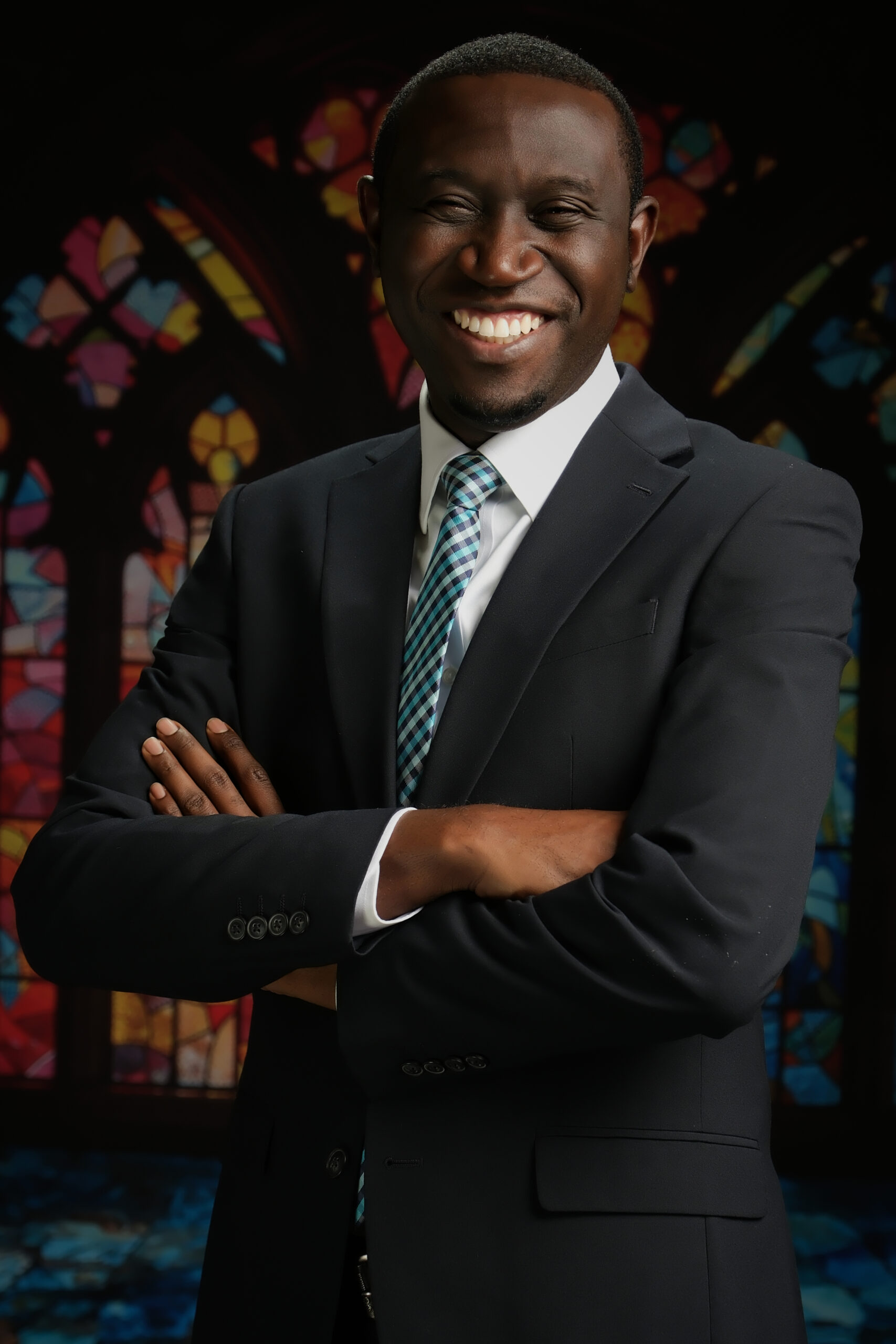 Dr. Jackson Adamah | Dr. Jackson Nii Sabaah Adamah is ordained to the ministry of Word and Sacrament and serves as Assistant Professor of World Christianities at Columbia Theological Seminary. His scholarship engages Christian theology and ethics, with particular attention to ecclesiology, reconciliation, and the Church’s public witness. Drawing on both academic and ministerial experience, he is committed to equipping students for thoughtful, faithful leadership in the Church and the wider world. |
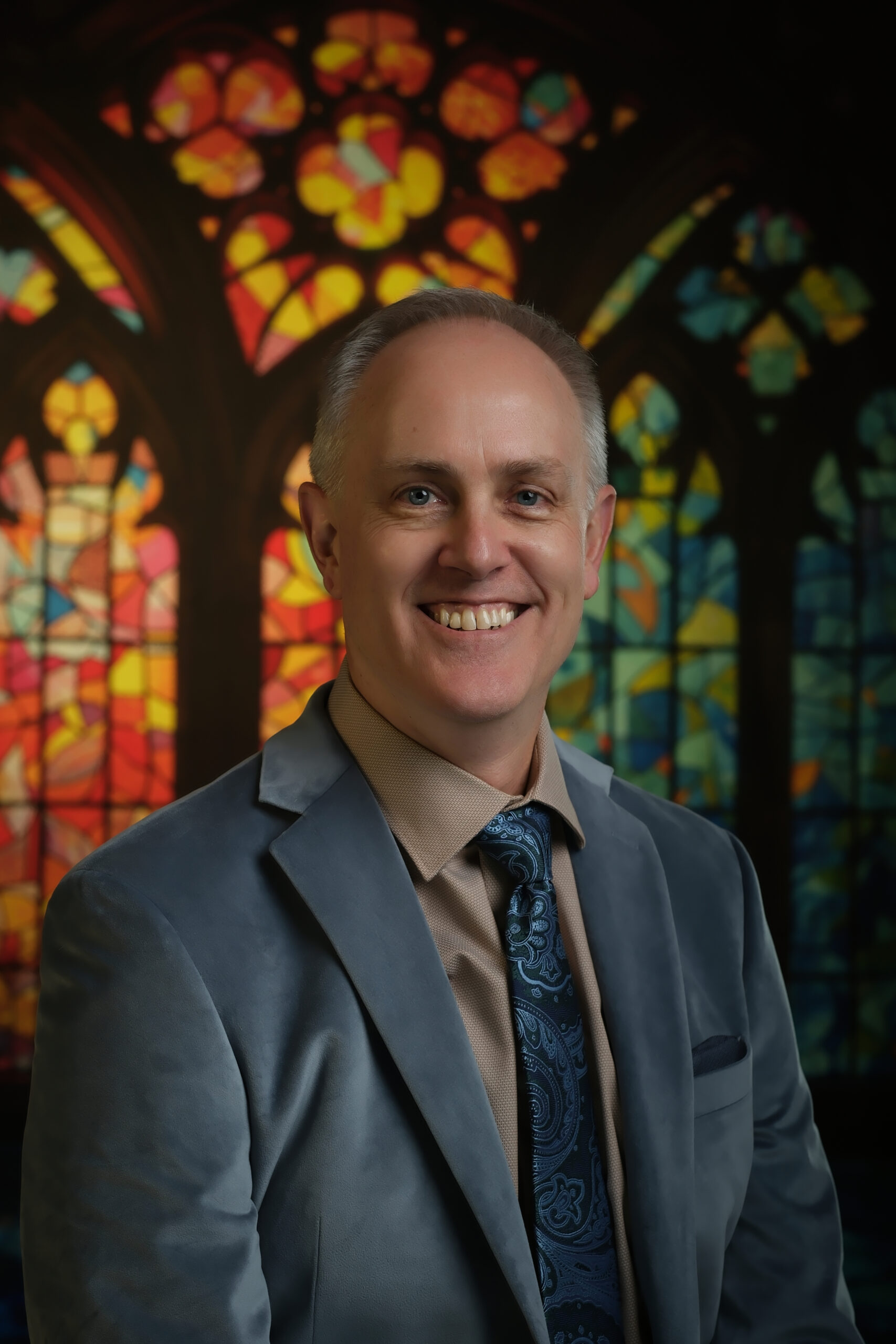 Dr. Mark Douglas | Mark Douglas is an ordained PCUSA minister and the J. Erskine Love Professor of Christian Ethics at Columbia Theological Seminary, where he directs the Center for Theology and Contested Publics and is lead professor for the Master of Theology degree. His most recent books include Christian Pacifism for an Environmental Age (Cambridge UP, 2019) and Modernity, the Environment, and the Christian Just War Tradition (Cambridge UP, 2023). |
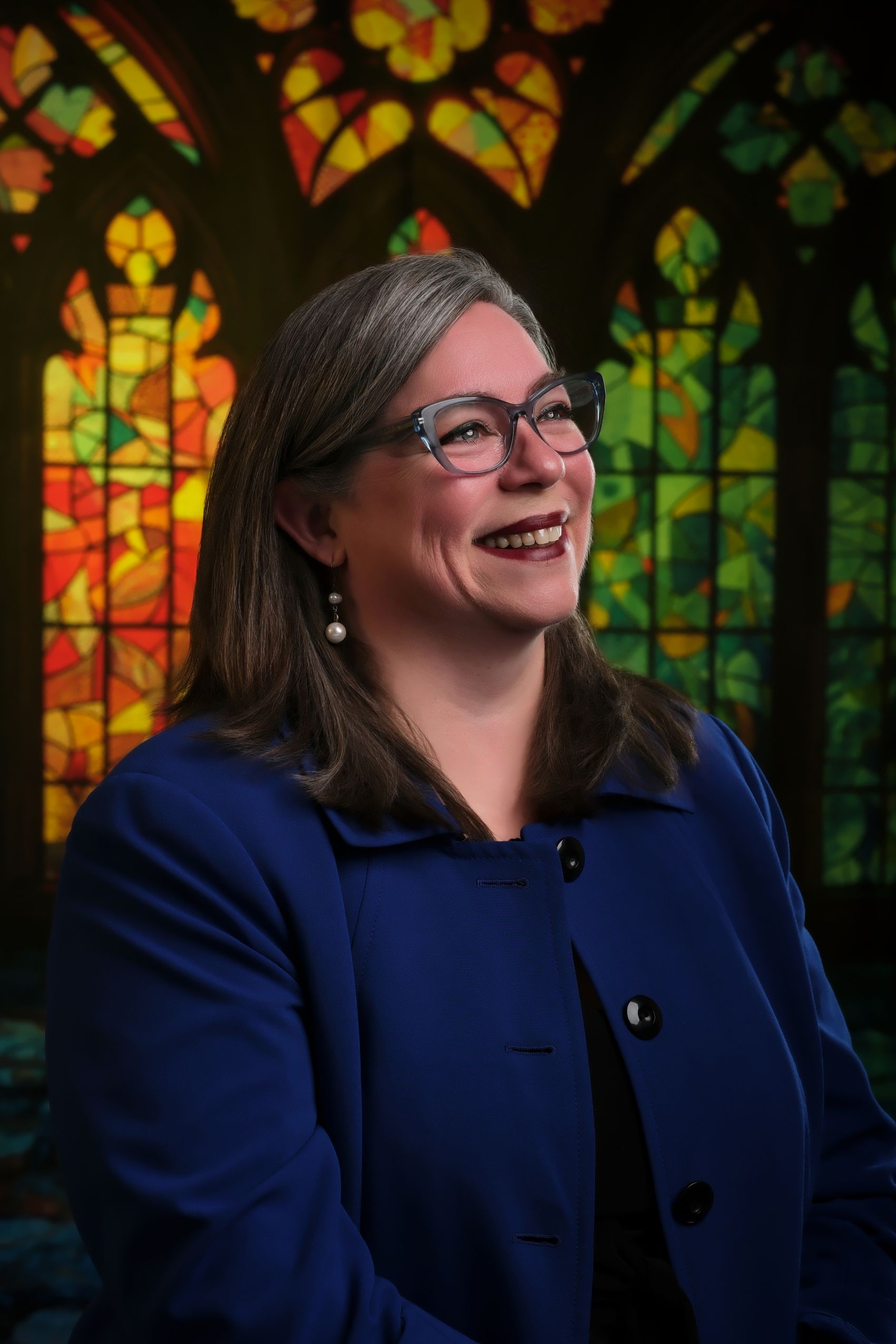 Dr. Mindy McGarrah Sharp | Dr. Mindy McGarrah Sharp is a practical and pastoral theologian whose scholarly work reflects on diverse contexts and practices of spiritual care. A trained clinical ethics consultant, Dr. McGarrah Sharp weaves ethics and practical theology in her teaching and scholarship. Dr. McGarrah Sharp seeks to cultivate in the classroom the kinds of invitational spaces of belonging and full participation she researches and sees as not only possible but urgently needed today. |
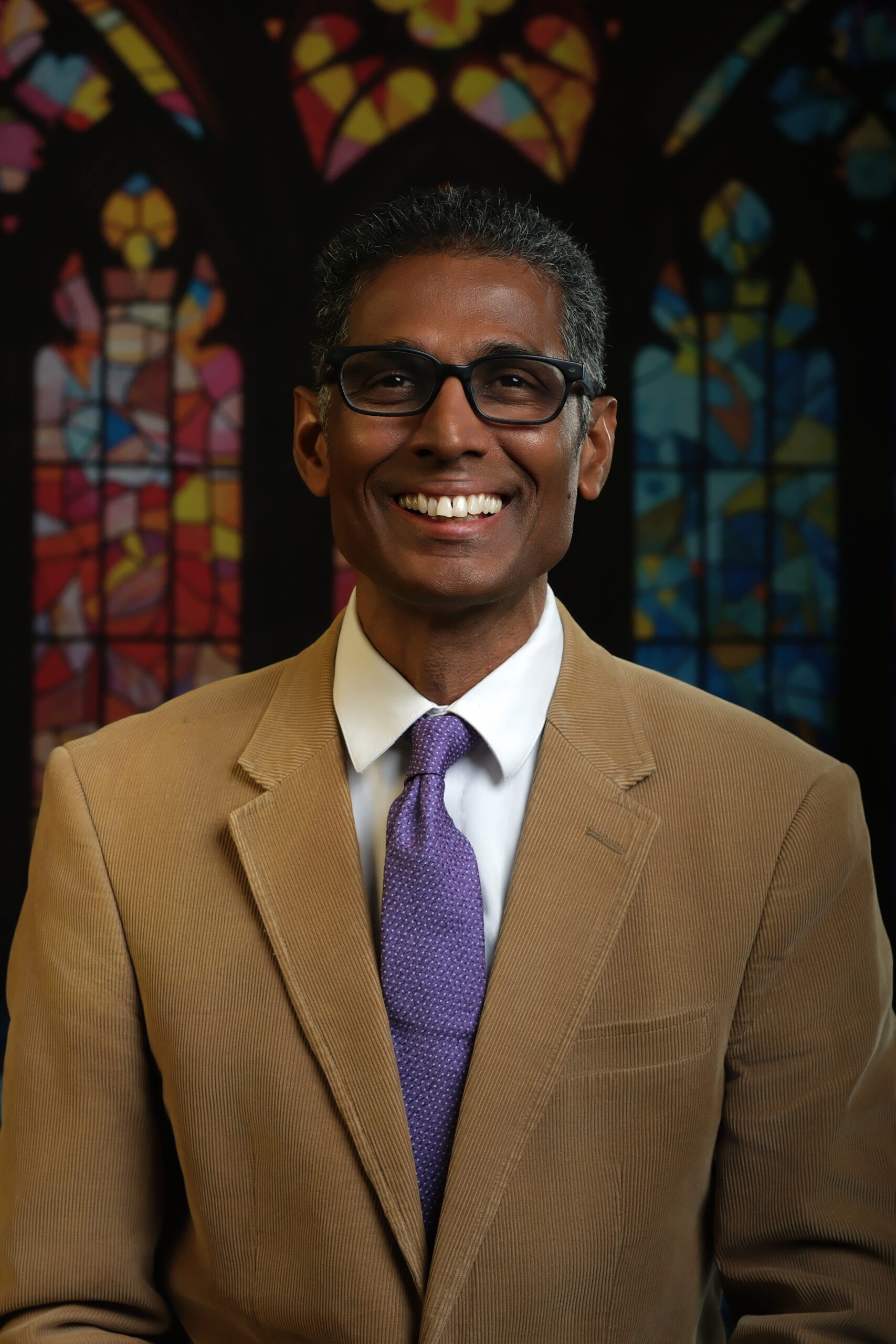 Dr. Raj Nadella | Dr. Raj Nadella is the Samuel A. Cartledge Associate Professor of New Testament at Columbia Theological Seminary. His research interests include postcolonial biblical interpretation, migration and New Testament perspectives on economic justice. Nadella is the author of Dialogue Not Dogma: Many Voices in the Gospel of Luke (Bloomsbury, 2011), co-editor of Christianity and the Law of Migration (Routledge, 2021) and co-author of Postcolonialism and the Bible (Bloomsbury, forthcoming in 2024). Dr. Nadella is a member of the Presbyterian Church (USA). He is actively involved in the academy and the Church on issues such as race, economic justice and immigration. He chairs the Society of Biblical Literature (SBL)’s Committee on Underrepresented Racial and Ethnic Minorities in the Profession (CUREMP). |
| Georgia Equality Georgia Equality is the state’s largest advocacy organization dedicated to advancing fairness, safety, and opportunity for LGBTQ communities and their allies. They work year-round to pass pro-equality legislation and mobilize residents across Georgia to ensure that every individual is treated with dignity under the law. Website: georgiaequality.org |  |
| Casa Alterna Casa Alterna is a ministry of radical hospitality that provides support to individuals and families navigating the complexities of the U.S. immigration system. Based in the Atlanta area, they offer housing, accompaniment, and assistance to asylum seekers, fostering a supportive community focused on justice and mercy. Website: casaalterna.org |  |
| Interfaith Children’s Movement (ICM) The Interfaith Children’s Movement is a multi-faith grassroots coalition dedicated to improving the well-being of all children in Georgia. By uniting diverse faith traditions, they advocate for systemic changes in areas such as education, healthcare, and juvenile justice to ensure every child has the opportunity to thrive. Website: icmgeorgia.org |  |
| Refuge Coffee Refuge Coffee Co. is a 501(c)(3) non-profit that uses coffee as a platform for job training, mentorship, and social connection for resettled refugees and immigrants. They provide competitive-wage employment and leadership development to help newcomers transition from surviving to thriving in their new communities. By creating “agendaless” spaces for conversation and culture-sharing, they foster a vibrant, multi-ethnic atmosphere that celebrates the resilience and stories of their refugee neighbors. Website: refugecoffeeco.com |  |
| Presbyterians for a Better Georgia Presbyterians for a Better Georgia is a non-partisan advocacy partnership representing Presbyterian (PCUSA) congregations and individuals across the state. They empower people of faith to engage with the legislative process, focusing on public policies that protect the vulnerable, expand healthcare access, and promote the common good for all Georgians. Website: p4bg.org |  |
| Faith in Public Life Faith in Public Life is a national network of nearly 50,000 faith leaders united in the pursuit of social justice and the common good. They serve as a strategic media and advocacy hub, advancing a moral narrative that champions dignity, equity, and voting rights while challenging extremist ideologies in the public square. Website: faithinpubliclife.org |  |
| Georgia Latino Alliance for Human Rights GLAHR is a community-based organization that educates, organizes, and empowers Latinos across Georgia to defend and advance their civil and human rights. GLAHR implements powerful community defense strategies to counter aggressive anti-immigrant policies and state-inflicted violence. Their work focuses on developing grassroots leadership, providing “Know Your Rights” training, and mobilizing communities to transform Georgia into a space where the dignity and safety of all residents are respected. Website: glahr.org |  |
Do I need to register to attend Advocacy Days?
Yes. Registration helps us plan appropriately for workshops, worship, and meals. Please complete the registration form in advance so we can prepare to welcome you well.
Can I attend only one day or a single session?
Absolutely. While we encourage full participation in the three-day experience, you are welcome to join for the portions that align with your schedule. We simply ask that you register.
Is there a cost to attend?
Advocacy Days is designed to be accessible. Any costs or optional meal registrations will be clearly indicated on the registration page.
Is childcare available?
We are committed to supporting parents and caregivers. If you anticipate needing childcare support, please reach out in advance so we can explore possible accommodations.
Where will events take place?
All Advocacy Days programming will take place on the Columbia Theological Seminary campus. Specific room locations and a detailed schedule will be shared with registered participants closer to the event.
Where should I park?
Parking is available on campus near the Harrington Center, the Richards Center, and the library. Additional street parking is available along Inman Drive and Kirk Road.
Who is Advocacy Days for?
Advocacy Days is open to students, alumni, ministry leaders, and community partners who are seeking to engage faith and public life thoughtfully and responsibly.
I have a question that is not answered here. Who should I contact?
For additional questions about Advocacy Days, please contact Rafael Reyes at reyesr@ctsnet.edu